
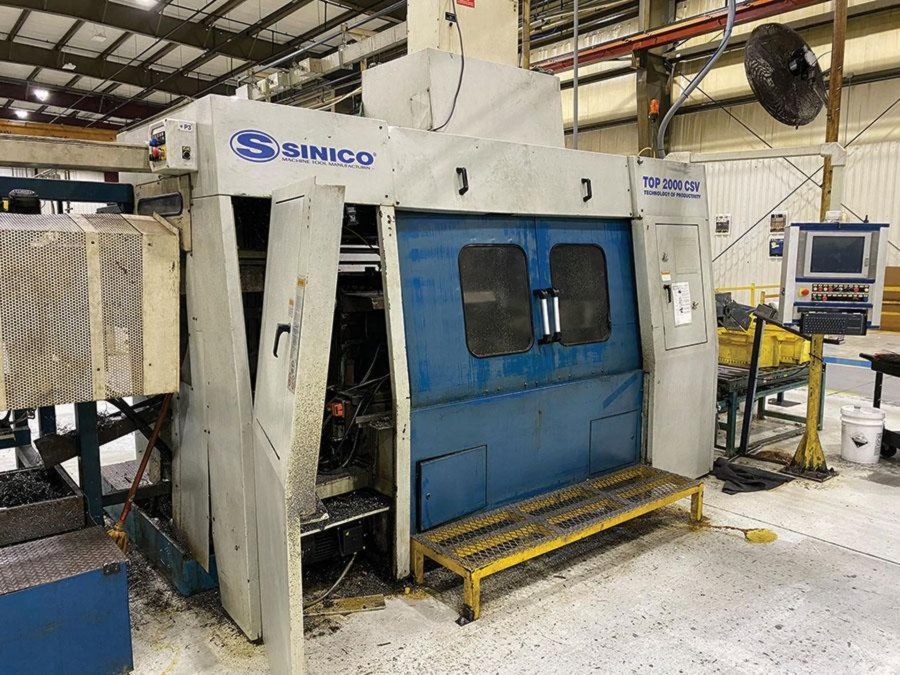
How to Choose the Right Used Manufacturing Tools for Your Business
Buying used manufacturing tools can be a smart move for businesses that want to maximize resources without overspending. Pre-owned tools can often deliver the same core functionality as new equipment while helping shops maintain strong productivity and better control over capital expenses. The key is choosing equipment that fits your operation, your workload, and your long-term goals.
From lower upfront costs to easier access to reliable equipment, used manufacturing tools offer real advantages. Still, making the right purchase takes careful evaluation. It is important to understand your needs, inspect tool condition, review the seller’s credibility, and think through the full financial picture before moving forward.
Assessing Your Needs
Before you begin shopping, take time to define what your operation truly requires. A clear understanding of your daily work helps you narrow your options and focus on tools that will actually improve efficiency.
- Project volume: Consider how often the tool will be used and how many jobs it needs to support. Higher-volume shops may need heavier-duty equipment than smaller operations.
- Type of work: Think about whether your work requires precision, heavy material handling, repetitive production, or specialized capabilities.
- Space limitations: Measure your available floor space and make sure any tool you buy will fit comfortably into your existing layout without disrupting workflow.
Answering these questions early can help you avoid buying equipment that is either too limited for your needs or too large and inefficient for your space and workload.
Evaluating Tool Condition
Once you know what you need, the next step is making sure the equipment you are considering is in good working condition. A careful inspection can help separate a strong value from a machine that may create problems later.
- Inspect the exterior: Look for rust, cracks, dents, and visible damage that could affect performance or signal poor care.
- Test performance: If possible, see the tool in operation. Watch for smooth function and listen for unusual noises or excessive vibration.
- Check wear items: Review blades, belts, bearings, and other parts that naturally wear over time to determine whether replacement may be needed soon.
- Review maintenance history: Service records can help show whether the equipment was properly maintained and how reliable it may be going forward.
A detailed inspection helps reduce risk and gives you a better idea of what kind of value the tool will really provide once it is in your shop.
Understanding the Seller
The quality of the seller matters just as much as the quality of the tool. Working with a credible seller can make the buying process more transparent and help you avoid costly surprises.
Look for reviews, testimonials, or references that speak to the seller’s reputation. Ask direct questions about the tool’s history, including how long it has been in use, whether it has undergone major repairs, and whether maintenance records are available. A seller who is open and informative usually gives buyers more confidence in the equipment they are considering.
Budgeting and Financial Planning
Setting a budget is important, but a strong financial plan goes beyond the purchase price alone. The goal is to understand the total investment and how that tool will support your business over time.
- Initial cost: Know the purchase price and compare it with the value the equipment offers.
- Maintenance needs: Anticipate future upkeep, parts replacement, and possible repairs.
- Return on investment: Consider how the tool will contribute to productivity, reduce downtime, or help complete jobs more efficiently.
By planning for both immediate and long-term costs, businesses are better prepared to make a purchase that supports growth without creating unnecessary financial pressure.
Final Considerations Before You Buy
Before finalizing the purchase, confirm that the equipment will integrate smoothly with your current setup. Compatibility matters. A tool that does not match your existing systems may require modifications that reduce the value of the purchase.
It is also worth reviewing available warranty options and return policies. Even with used equipment, limited protections may be available depending on the seller. Understanding those terms can provide extra peace of mind before committing.
Making a Smart Investment in Used Manufacturing Tools
Choosing the right used manufacturing tools comes down to preparation, inspection, and smart financial planning. When businesses clearly assess their needs, evaluate tool condition carefully, and buy from trustworthy sellers, they are in a much better position to make a purchase that improves efficiency and protects their bottom line.
Used equipment can be a practical way to expand capabilities, improve workflow, and support growth without taking on the full cost of new machinery. With the right approach, it becomes easier to find tools that offer dependable performance and long-term value.
If you are ready to explore dependable equipment for your operation, take a look at our available used manufacturing tools. Allset Machinery offers quality options to help businesses strengthen productivity while staying on budget.