
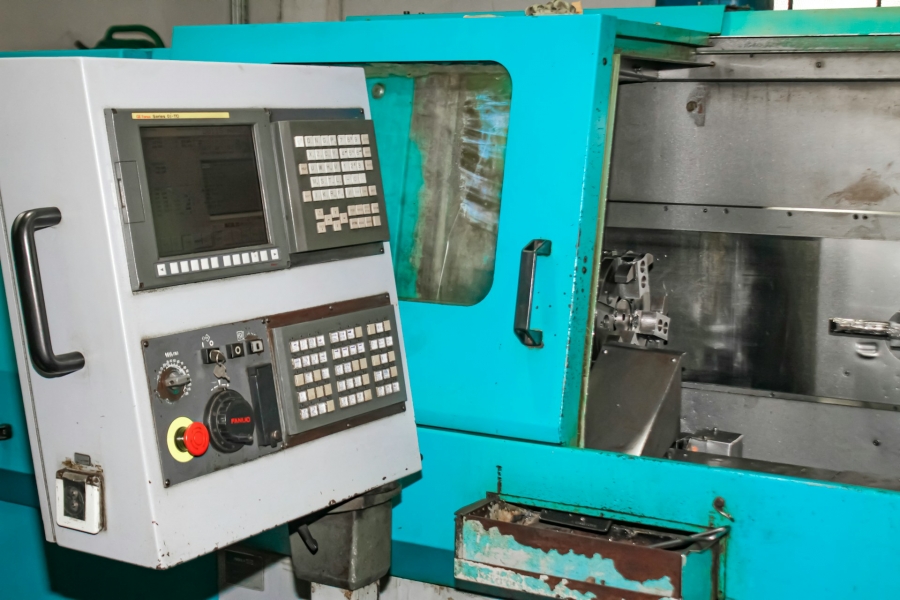
When shops need to stretch their budget or keep up with project demand, many of us turn to used machines instead of buying new. It makes sense. Buying used often means quicker access, fewer delays, and lower upfront costs. The trick is knowing how to buy smart, especially when you're shopping online.
It’s easier than ever to browse machines from your desk, but buying used machinery over the internet comes with its own challenges. Machines can look good in photos but miss key details. Listings might be vague, filters may be limited, and follow-up questions can fall through the cracks if we’re not prepared.
To buy used machinery online with confidence, we need a clear starting point and a plan for each step along the way.
Before we start shopping, it's worth doing a quick check of what the shop actually needs. It’s easy to get pulled in by a good deal or something flashy, but that can create problems if it doesn’t match our space or workflow.
Look over our crew’s current skills. If we've only worked with manual machines, it might be smart to find a used one with simple digital controls or fewer automated features.
The more we define our real needs, the easier it is to spot machines that will actually work in our space and with our personnel.
Photos and titles don’t always show the full story. That’s why reviewing listings closely can save trouble later.
Once we’ve found a listing that checks the basic boxes, it helps to write out follow-up questions early.
This helps us keep the conversation smooth and avoid scrambling later.
Heavy machines aren’t like ordering parts or materials. Shipping can take time, and we need to think through how the machine will enter the building once it arrives.
Planning a couple of weeks ahead means we’re more likely to have a smooth move-in. Booking riggers or extra hands early can line everyone up instead of rushing the week of arrival.
Once the machine is off the truck, the work’s not over. Skipping early steps can lead to bigger problems later.
Even if the machine looks clean and ready, giving it a fresh start helps it blend with the rest of the shop's workflow smoothly.
Each purchase teaches us something. If we take good notes, the next time we need to buy used machinery, we can move faster and smarter.
This kind of log becomes more helpful over time, especially as we add more machines or rotate older ones out.
Allset Machinery, our inventory of used machinery is always in stock and owned outright, so you never have to wait for us to source from another seller. Our machines are available for immediate purchase, in as-is condition, and our offerings change frequently to keep our selection fresh and on target for a wide range of shop needs.
Buying used can be a smart way to grow or adapt without overextending the budget. But it takes thought and a good process to make it work.
Having a plan helps us buy with confidence. It gives us control, lowers the guesswork, and makes sure the machine fits into the shop like we hoped it would. When we focus on good prep and clear steps, buying used online becomes less of a gamble and more of a steady path forward.
Growing or upgrading your shop is easy with Allset Machinery. We keep our machines in stock, owned outright, and ready when you are, so you can plan your workflow without waiting or overspending. Whether you want to replace older equipment or expand capacity, now is a great time to explore quality solutions. See how straightforward it is to buy used machinery with confidence, and contact us today with any questions or to get started.