
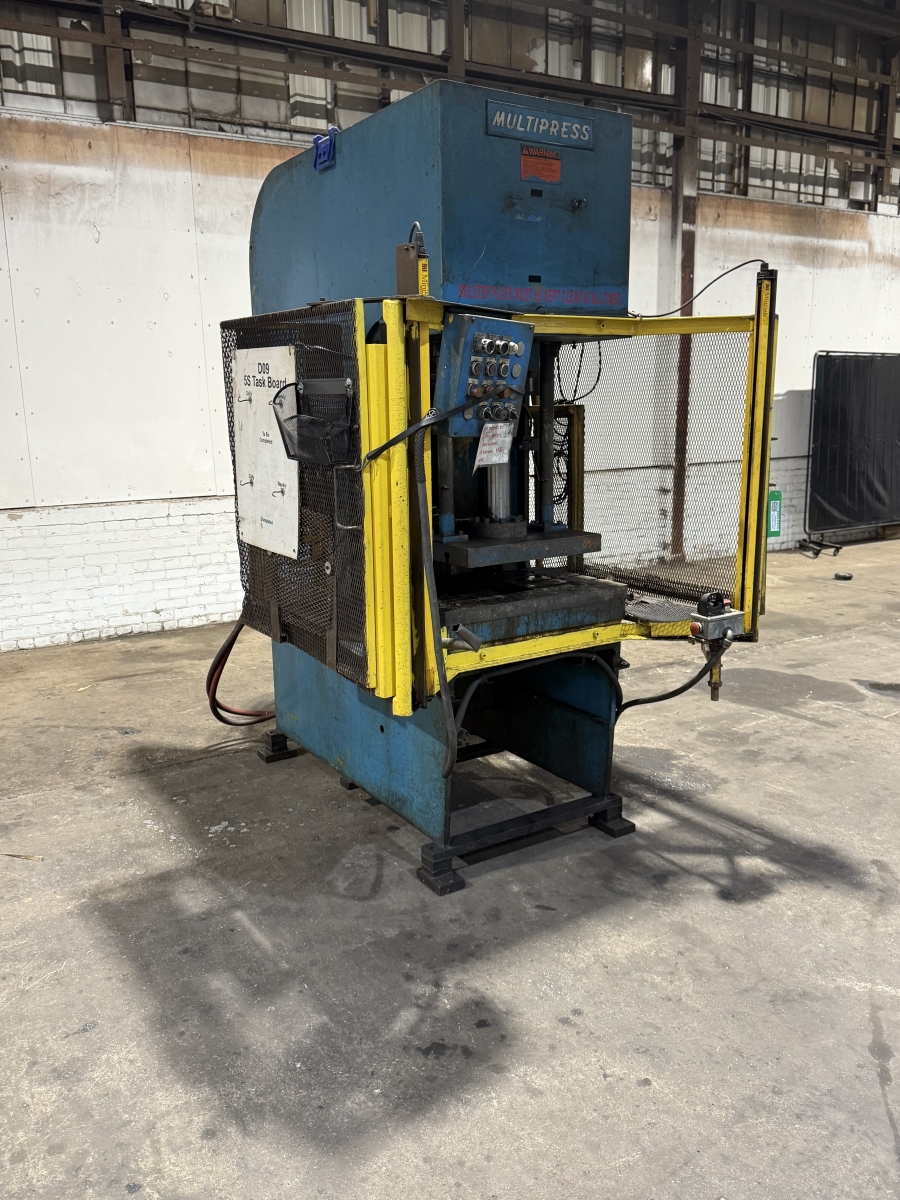
What to Check Before Buying Used Hydraulic Equipment
Buying used hydraulic equipment can be a smart way to lower costs and improve productivity, but it is important to look beyond the price tag. Unlike new equipment, every used machine comes with its own history. Some have been well maintained and stored properly, while others may have been exposed to neglect, weather, or long periods of inactivity. That history can show up in both visible condition and hidden performance issues.
As spring workloads start to approach, this is a practical time to evaluate what is already on the floor and decide whether it makes sense to upgrade or replace equipment before demand increases. A careful inspection now can help avoid downtime and costly surprises later.
Check for Signs of Wear and Stored Damage
The first step in evaluating used hydraulic equipment is to pay close attention to what you can see and hear. Obvious wear or unusual operation can often reveal larger issues before the machine ever enters production.
- Look for leaks, rust, and damaged paint: These can point to poor storage conditions or long periods of disuse.
- Inspect hoses and fittings: Cracks, bulging, fraying, or weak connection points may lead to pressure loss or failure under load.
- Test moving components when possible: Grinding, popping, hesitation, or uneven motion may signal wear in critical parts.
- Ask about storage conditions: Equipment that sat in an unheated warehouse or damp area through winter may need closer inspection before use.
Storage-related wear does not always mean the machine should be ruled out, but it does mean the inspection needs to be more thorough.
Understand Pressure Rating and Load Requirements
Hydraulic equipment may look similar from one machine to the next, but real value comes from how well it matches the pressure demands and cycle loads of your operation.
- Compare pressure ratings to your actual needs: Make sure the machine can handle the type of work you expect it to perform.
- Think about future workload: If production is growing, slightly higher capacity may be a better long-term investment.
- Do not judge by appearance alone: A clean exterior does not guarantee that the hydraulic system is strong enough for your shop.
Choosing equipment that meets both current and near-future demands can help avoid bottlenecks and reduce the need to replace it again too soon.
Inspect Seals, Cylinders, and Hydraulic Lines
Hydraulic performance depends on strong seals, healthy cylinders, and lines that can maintain pressure without leaks. These areas deserve extra attention during any pre-purchase inspection.
- Check cylinder rods carefully: Pitting, rust, or surface damage on retracting rods can lead to leaks and reduced efficiency.
- Handle the hydraulic lines: If hoses feel brittle, stiff, or cracked, they may not hold up under working pressure.
- Watch for damp fittings or tanks: Small traces of fluid can be an early sign of failing gaskets, worn seals, or pressure issues.
These problems are not always dealbreakers, but they can become expensive if they are missed and show up once production begins.
Test Controls and Safety Features
A hydraulic machine can look solid and still have hidden problems in the controls or safety systems. Before buying, it is important to verify that the equipment starts, responds, and shuts down the way it should.
- Test startup and shutdown: The machine should respond smoothly without hesitation or lag.
- Check emergency stops and safety functions: Pressure shutoffs, motion limiters, and stop controls should react immediately.
- Watch for sudden pressure changes: Jumps in movement or loud shifts during startup can point to valve, motor, or electrical trouble.
A dependable hydraulic machine should operate evenly and predictably. Inconsistent control response is often a sign that deeper issues need attention.
Ask for Maintenance and Service Records
No matter how good a machine looks, service history can provide important context. Maintenance habits often tell you more about future reliability than appearance alone.
- Ask for available records: Service logs may show oil changes, rebuilt components, replaced seals, or other important repairs.
- Find out how the machine was maintained: Ask how often it was flushed, greased, or serviced and what fluids were used.
- Notice when history is missing: A machine with no records at all may still be workable, but the lack of information can also signal neglect.
Even a few maintenance details can provide reassurance and help you make a more informed purchase decision.
Make Reliability the Real Goal
Used hydraulic equipment can offer excellent value when it is chosen carefully. The goal is not to find a perfect machine. The goal is to find one that is dependable, properly matched to your workload, and less likely to create avoidable downtime once it is back in service.
Visual inspections, pressure checks, control testing, and maintenance history all help reduce uncertainty. When buyers take the time to look at the details that matter, older machines can still deliver strong performance and long-term value.
If you are looking for dependable used hydraulic equipment, Allset Machinery offers quality options to help your shop stay prepared, productive, and ready for the busy season ahead.