
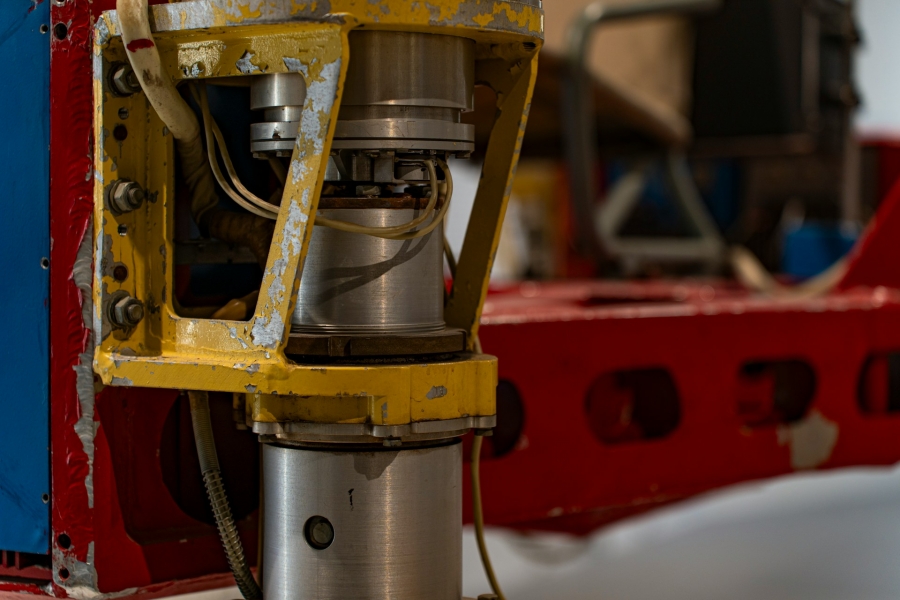
A used hydraulic press with real service life remaining can be one of the strongest returns on investment on any shop floor. When the frame is structurally sound and the hydraulic circuit has been properly maintained, a pre-owned press can rival, and sometimes surpass, entry?level new models while costing significantly less. For machine shops and fabrication facilities working with tight capital budgets, that gap in upfront cost can be critical.
The difficulty lies in accurately judging what you are actually buying. A quick walkaround or a few jogs of the ram are not enough. To estimate remaining productive life, you need a deliberate blend of visual checks, functional tests, documentation review, and a skeptical mindset. Working with a knowledgeable used?machinery dealer reduces uncertainty so you spend time only on presses that still have meaningful productivity to offer.
The structure is always the first priority. The frame, bed or platen, crown, and uprights carry the load; if they are fatigued, distorted, or poorly repaired, no amount of hydraulic work will turn that press into a smart purchase. Look for a machine that appears straight and well cared for, not one that shows a history of overloads and improvised repairs.
Structural checkpoints include:
Parallelism and alignment are critical. If the ram is not parallel with the bed, or if one guide shoe or bushing is noticeably more worn than the others, the press may have been overloaded or side?loaded for years. Symptoms like binding during travel, scraping sounds, or a ram that hesitates and then drops suddenly can indicate frame distortion or stress damage that will shorten usable life.
A basic alignment check is to run the slide through its full stroke while observing from multiple viewpoints. You want smooth, even motion without twisting, rocking, or side loading at any point in the travel. A press that passes this simple test has cleared a major hurdle in structural integrity.
Once the structure checks out, shift attention to the hydraulic side of the machine. A press that has been operated and serviced correctly usually shows it in the cleanliness and behavior of its hydraulic system. Attention to oil cleanliness, filtration, and sealing is a good indicator of overall maintenance culture.
Healthy hydraulic indicators include:
Dynamic testing is just as important as a visual scan. When you bring the system up to pressure, it should reach the commanded pressure or tonnage quickly and consistently. Once at setpoint, the machine should hold without noticeable drift. Difficulty reaching rated capacity, constant pressure decay, or frequent cycling to maintain load can suggest internal bypassing, a worn pump, or tired control valves.
Sound and temperature also offer clues. A hydraulic power unit should run with a steady, predictable tone. Rattling, screeching, cavitation noise, or sudden pitch changes are warning signs. The reservoir and pump will warm up under normal work, but they should not become excessively hot in a short span. Chronic overheating often points to flow restrictions, incorrect oil viscosity, or undersized or worn components, all of which can accelerate wear if left uncorrected.
A press that is structurally sound and hydraulically healthy still needs to be practical and safe for operators. The condition of controls and guarding often reflects how recently the press has seen real production and how seriously the previous owner approached compliance.
Indicators of a well?kept control system include:
Safety hardware does double duty as both a compliance requirement and a maintenance clue. Operational light curtains, intact guards, and true two?hand, anti?tie?down stations suggest the press was integrated into a safety?conscious facility. Emergency?stop devices should be accessible, clearly identified, and able to stop motion immediately when tested.
A press that is straightforward to set up, responds cleanly to input, and runs without nuisance trips from safety devices is more likely to have been part of a stable production cell rather than a neglected backup. That kind of usage pattern usually aligns with planned maintenance and more careful operation.
Documented service history removes guesswork. Oil changes, filtration intervals, cylinder reseals, and control upgrades all show that the previous owner invested in longevity rather than just short?term throughput.
Service documentation worth reviewing includes:
Manufacturer reputation and support are equally important. Certain builders are known for heavy?duty frames, long parts support windows, and readily rebuildable components. Others may be difficult to support after a certain age.
Check whether:
When information and replacement parts are accessible, keeping an older press productive becomes a planned maintenance task rather than a high?risk gamble. A machine carrying a respected brand, backed by documentation and available spares, can often deliver many more years of dependable service even if its paint and cosmetics show age.
After you review structure, hydraulics, controls, and paperwork, a live demonstration under meaningful load ties everything together. Whenever possible, observe the press performing work that resembles your intended application, such as forming, straightening, punching, or assembly, rather than simply cycling in the air.
During the trial, pay attention to:
A specialized dealer in pre?owned hydraulic presses can act as a technical filter before you ever see a machine. At Allset Machinery, presses are evaluated for structural integrity, hydraulic performance, and control reliability before they are offered for sale. Obvious problems are corrected or rejected early, so buyers can concentrate on matching tonnage, daylight, stroke, bed dimensions, and throughput requirements instead of worrying about hidden defects.
By combining a structured inspection, a careful review of service records, realistic test runs, and guidance from people who work with hydraulic presses every day, you can significantly reduce risk. That is how you determine whether a used hydraulic press still offers genuine value: not by a quick look at paint and cosmetics, but by a clear view of how it was designed, maintained, and operated over its lifetime.
If you are ready to upgrade your operation with reliable, cost-effective machinery, explore our selection of used hydraulic equipment tailored to a wide range of applications. At Allset Machinery, we carefully inspect and prepare every unit so you can move forward with confidence and minimize downtime. Tell us about your production goals, and we will help match you with the right solution. If you have questions or need a quote, contact us to get started.