
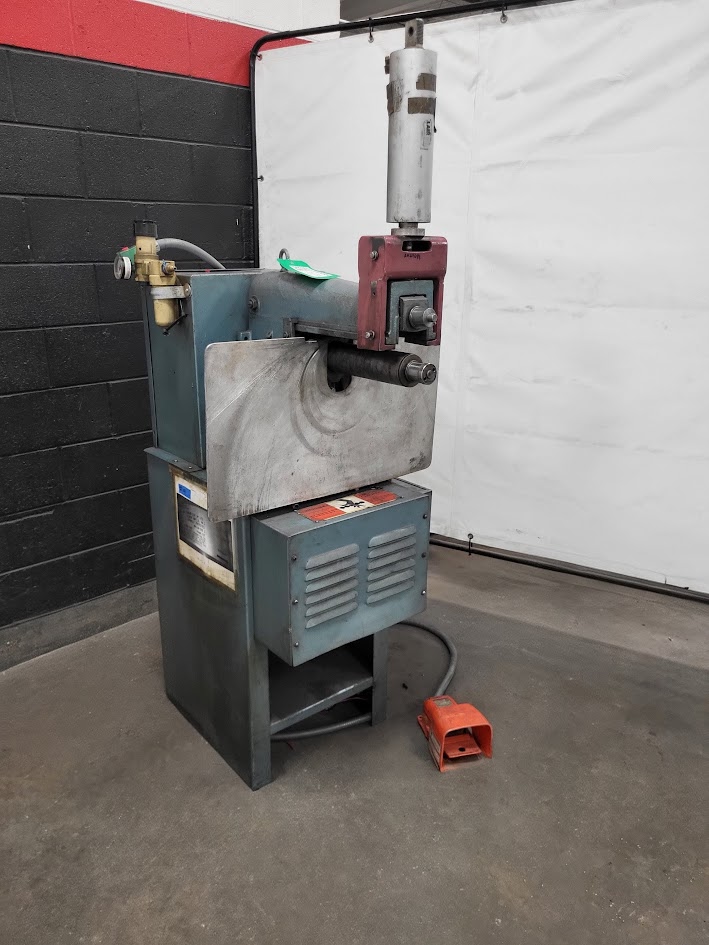
Smart Ways to Maintain Used Metalworking Machines
Keeping used metalworking machines in good condition is essential for workshops and industrial operations that depend on steady performance. When machines are maintained properly, they run more efficiently, last longer, and help reduce avoidable repair costs. Like any hardworking piece of equipment, these machines perform best when they receive regular care and attention.
Routine maintenance is about more than preventing breakdowns. It also helps support consistent production, protects your investment, and reduces the chance of unexpected downtime. With a few smart habits in place, businesses can keep their equipment operating smoothly and avoid larger issues that disrupt workflow.
Regular Cleaning and Inspection
One of the simplest and most effective ways to maintain used metalworking machines is through regular cleaning and visual inspection. Dust, metal shavings, and debris can build up quickly, especially in busy work environments, and that buildup can interfere with performance over time.
- Prevent debris buildup: Wipe down machine surfaces and clear away dust, chips, and residue after use to keep parts moving freely.
- Perform visual inspections: Look for loose bolts, worn components, cracks, and other early signs of wear that may lead to larger problems if ignored.
- Create a schedule: Set a consistent cleaning and inspection routine so maintenance does not get skipped during busy production periods.
These small tasks help form the foundation for better machine reliability and longer service life. A cleaner machine is often an easier machine to monitor, maintain, and trust during demanding work.
Lubrication and Fluid Checks
Proper lubrication and regular fluid checks are critical to keeping metalworking machines operating smoothly. Without them, friction increases, components wear down faster, and the risk of breakdowns rises.
- Follow a lubrication routine: Apply the correct lubricant to the right machine parts based on the manufacturer’s recommendations.
- Monitor fluid levels: Check oil and coolant levels regularly to help prevent overheating and internal damage.
- Replace fluids on schedule: Old or contaminated fluids lose effectiveness over time, so routine replacement helps protect the machine and maintain performance.
Consistent attention to lubrication and fluids helps reduce wear, improve efficiency, and limit the chances of sudden downtime in the middle of a job.
Calibration and Alignment
Accuracy matters in metalworking, which is why calibration and alignment should be part of any maintenance plan. Machines that are slightly off can lead to mistakes in output, wasted material, and inconsistent results.
- Schedule calibration checks: Confirm that settings remain accurate and adjust them as needed to maintain precision.
- Inspect alignment regularly: Misalignment in moving parts or setup points can affect production quality and machine efficiency.
- Follow a routine timeline: Perform these checks after major adjustments, machine movement, or at intervals recommended by the manufacturer.
Keeping machines calibrated and aligned helps support cleaner work, more reliable results, and a higher standard of quality across every project.
Addressing Wear and Tear
Even well-maintained equipment will develop wear over time. The key is catching those issues early and addressing them before they grow into major repairs.
- Watch for unusual signs: Slower performance, unfamiliar noises, or excessive vibration can all point to developing problems.
- Fix small issues quickly: A loose component or small crack is much easier and less expensive to handle early.
- Keep spare parts available: Having common replacement parts on hand can reduce downtime when something needs immediate attention.
Staying ahead of wear and tear helps extend machine life and keeps day-to-day operations more consistent and dependable.
Professional Maintenance Services
There are times when professional servicing is the best option. Some issues are more complex and require specialized knowledge, tools, or diagnostic equipment that go beyond standard in-house maintenance.
Professional technicians can perform deeper inspections, identify hidden issues, and handle more advanced repairs. These services add another level of protection for your investment and can help confirm that your machines are operating as efficiently and safely as possible.
Support Smooth Operations Over the Long Term
Maintaining used metalworking machines is one of the smartest ways to protect productivity, reduce unexpected costs, and get more value out of your equipment. With regular cleaning, proper lubrication, accurate calibration, and timely repairs, businesses can keep machines operating at a high level for much longer.
These maintenance habits support better workflow, stronger reliability, and fewer interruptions. They also help create a work environment where teams can stay focused on production instead of reacting to avoidable equipment problems.
If you are looking for dependable equipment to strengthen your operation, explore our available selection of used metalworking machines. Allset Machinery offers quality options to help keep your shop productive and prepared for the work ahead.