
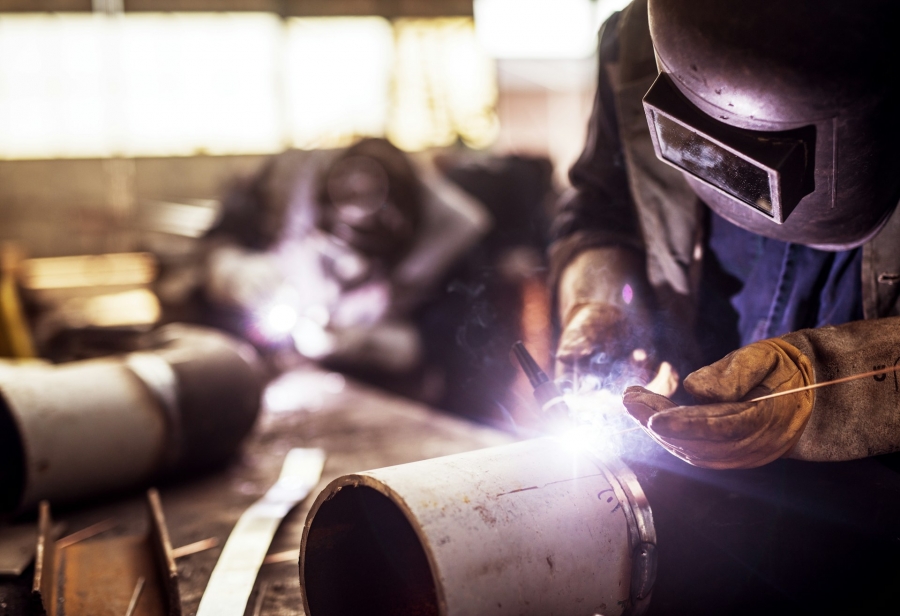
Shops that rely on welding can only work as fast as their tools allow. When the current welder starts showing wear or downtime becomes too common, many shop owners start checking their options. New setups can be expensive and often on backorder. That’s when used welding machines start to look like a smart move.
These machines, if chosen with care, can offer steady performance without the cost of something brand new. The key is knowing what to look for and how to choose the right fit for your workday. We'll walk through practical steps for finding welding gear that meets your shop’s needs, fits your schedule, and keeps projects moving.
Before beginning the search, it helps to be clear on what your team actually needs. Every shop has a different daily rhythm and not every welder will fit every pattern.
By narrowing things down early, you avoid dragging home something that won’t even plug in or fit where you need it.
How to Spot a Welding Machine That’s Still Got Life
We see all kinds of gear on the shop floor, and surface wear doesn’t always tell the full story. Some used machines are workhorses that just need a wipe-down, while others were pushed too hard and are ready to retire.
We always prefer gear that looks like it was used, not abused. When there’s clear care in how it was stored and handled, that usually shows up in day-to-day use.
What Makes Some Used Welding Gear Worth It
Older doesn’t always mean outdated. A well-built welder from a few years back can often handle everything a small or medium shop throws at it, if it’s been treated right.
A little extra cost in prepping or tuning a machine often beats the delays of waiting for repair parts mid-job.
Matching Welding Gear to Shop Flow
The best gear is the kind that fits right into the way you already work. That means thinking through the full job, not just what the welder can do on paper.
These small adjustments early on stop big slowdowns later, especially once the busy season ramps up.
When Replacement Makes More Sense Than Repair
There comes a point when it just isn't worth trying to stretch another job out of a worn machine. If you're putting in more time adjusting settings than running clean passes, something has to give.
Replacing a failing machine before peak season avoids last-minute scrambles that break schedules or hold back other jobs that depend on welding.
Keeping Shop Projects Moving With the Right Gear
Used welding machines won’t solve every problem, but the right one can pick up the slack when your old setup can't keep pace. The key is focusing on the welds you need, the way your shop runs, and how much time you spend fixing vs doing.
When a tool matches your needs and the space around it, adjustments feel small and the crew falls into rhythm faster. It’s not about chasing every new feature, but about finding gear that works how and where you work.
As summer projects pick up, having your welding in good shape keeps jobs flowing. Smart planning now keeps hands busy and heat stress low, while cutting down on guesswork. A little prep today gives more room to say yes to jobs with confidence.
At Allset Machinery, our inventory includes many in-stock used welding machines that are owned outright and ready for purchase. We offer only as-is equipment so you know exactly what you are buying, and our inventory shifts frequently, giving you more options for both planned and urgent projects.
Our rotating inventory of reliable shop tools includes a range of used welding machines built for real-world performance. Reach out to us today if you’ve found a machine that suits your space or if you have any questions about fit, timing, or availability, our team is ready to help you make the best choice for your business.