
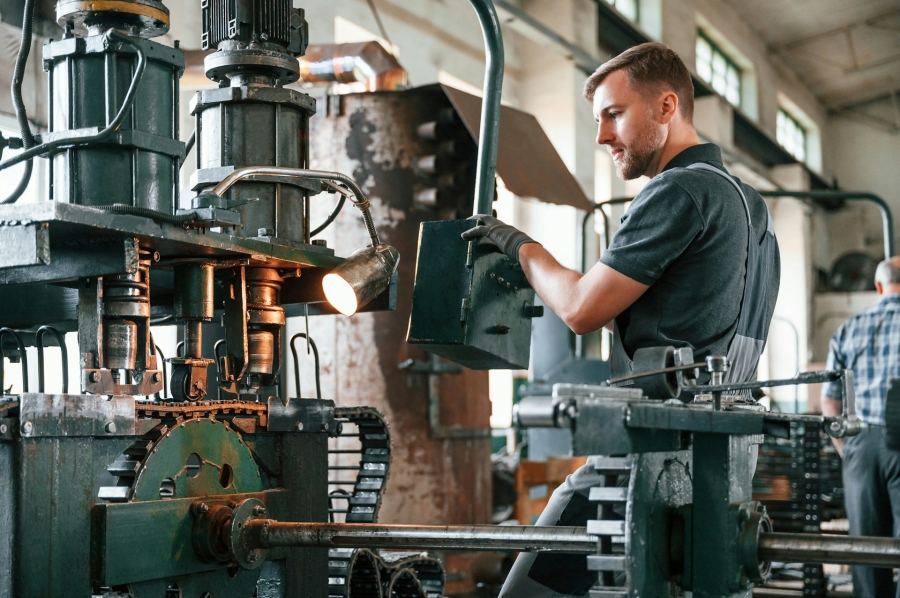
Used manufacturing tools can be a smart choice when we want to cut operating costs or speed up new projects. With spring ramping up, many of us are looking at what we already have on the floor and how we can get moving fast.
But used gear comes with its own checklist. What worked fine months ago might not run the same today. Machines age between use and may have problems that don’t show up right away. That’s why it helps to slow down and double-check key areas before these tools go back into full use.
We’ve broken this down by the spots that most often slip past first-time buyers or those returning to machines after storage. These are the parts, tests, and setups that deserve a closer look.
Some of the biggest issues we’ve seen with used manufacturing tools start in areas that aren’t easy to spot. Surface scratches or faded paint don’t always mean much, but internal wear can change how the whole machine operates.
The more time a machine has spent off the floor, the more we want to check deep. A little resistance today is better fixed now than mid-run later.
Wiring and motor health are often skipped over when tools look clean and dry. But mismatched power or worn cables can quickly shorten a machine’s life.
These checks keep power flow consistent and protect everyone working the machine.
Bringing a tool in from storage or transport means it probably shifted. Even solid tools can flex when moved, which can throw off precision.
A quick level check has saved us more than once from hours of trial cuts.
Used machines may still have hardware worth saving, but that doesn’t always mean the controls or software are clear of problems.
Making sure the data flows clean and fast helps us trust the machine when bigger runs start.
Past fixes can tell us a lot about what the machine went through before. Weld seams, swapped parts, or bolt-on brackets usually show up with a closer inspection.
Knowing the machine's history helps us decide what risks are worth taking.
Taking the time to check over every section might feel slow at the start, but it spares us from bigger slowdowns once the machine is in full swing.
When we catch problems with alignment, wiring, or unsupported fixes early, we save ourselves from delays that always seem to show up when deadlines are tight. We’ve found over the years that most machines can be reliable again, but only if we treat the start-up process with care. That means checking every layer before trusting it under pressure.
At Allset Machinery, our inventory of used manufacturing tools is always in stock, owned outright, and ready to ship. Our range includes everything from lathes, grinders, and toolroom machinery to presses and other essential equipment. With over 200 items available at any given time, our selection changes often, so your shop gets solutions that fit its needs both now and when new projects come up.
Used manufacturing tools are only helpful if they run right when it counts. A few extra hours now can buy us days of smooth production later in the season.
When production ramps up and deadlines are tight, reliable equipment can make all the difference. A smart upgrade or backup unit often saves valuable time and keeps your workflow moving smoothly. You can review our current stock of used manufacturing tools to find quality solutions for your shop. When you're ready, reach out to Allset Machinery and we will make sure you get exactly what you need.